1. Types Of Air Conditioners

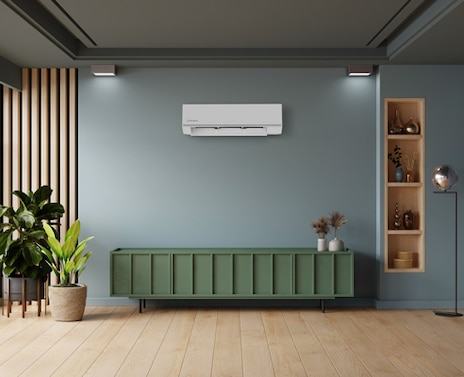
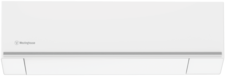
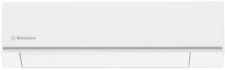
Split System Air Conditioners
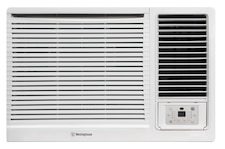
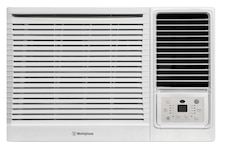
Window/Wall Air Conditioners
2. Understanding Your Needs
When selecting an air conditioner, consider the room size, energy efficiency ratings, installation requirements, budget, and desired features to guarantee optimal cooling performance that serves your needs.
CLIMATE AND USAGE
Consider your location's climate and typical air conditioning needs—whether you need only cooling or both cooling and heating—to choose a model that efficiently handles temperature management needs and maximises comfort year-round.2
ROOM SIZE AND LAYOUT
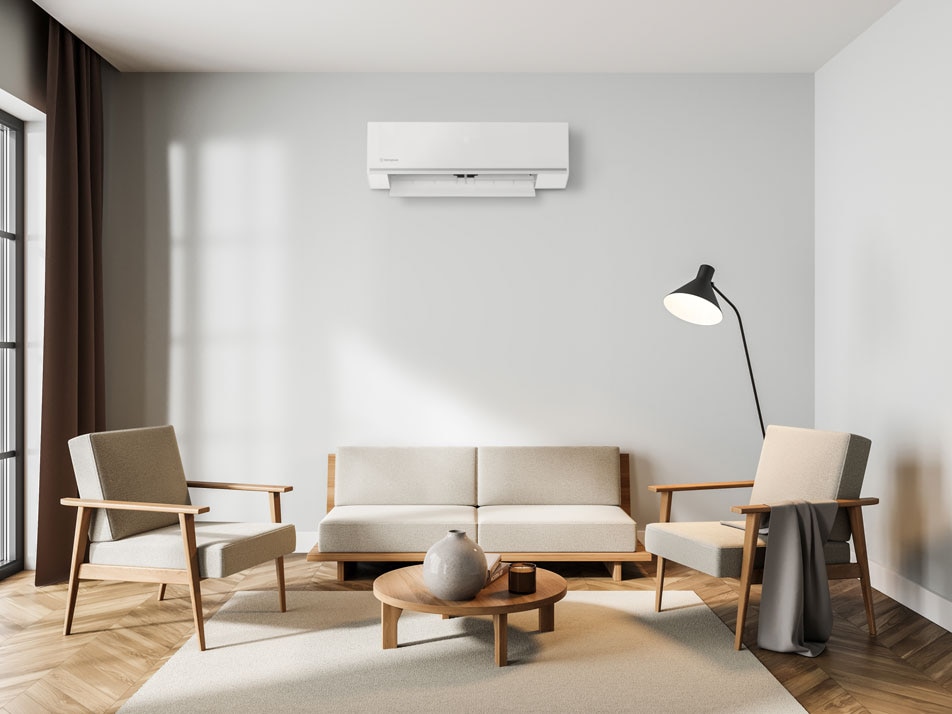
Choose an air conditioning model whose capacity matches your room's size and layout, ensuring optimum cooling or heating coverage.3 Consider area square meterage, ceiling height, insulation, and room arrangement to achieve peak performance and comfort.
Use our easy-to-use tool below to find the right air conditioner for you. Just move the toggles to reflect the correct answer for your home and select the other button options to then get your result.
LIFESTYLE AND PREFERENCES
Before you choose an air conditioner, think about your lifestyle and interests. Consider your noise level sensitivity, health and allergy concerns, and preferences for convenience and smart features to ensure that you make the best choice for your unique requirements.
3. Energy Efficiency
Compared to conventional air conditioners, energy-efficient models can save money on electricity bills and reduce long-term expenses, offering both financial savings and environmental benefits. Air conditioners' energy efficiency refers to their ability to cool or heat rooms while using the least amount of electricity possible.4 When making a purchasing decision, it's important to compare products, buyers often prioritise models with higher star energy ratings to save on long-term energy bills, also choosing an appropriately sized air conditioner assists with energy efficiency which can help reduce costs.
Split system and window / wall air conditioners have several features that make them cost-efficient.
Lower operating costs
Split system air conditioners generally have lower operating costs due to their efficient design, which allows for accurate temperature control while lowering energy usage and minimising wasted cooling.5
Smart features
Smart features in split system air conditioners, such as programmable timers and sensors, optimise energy usage through adjusting cooling settings and temperature, resulting in cost savings by decreasing unnecessary power consumption.
4. Features To Consider
Window/wall air conditioners offer a compact cooling/heating solution ideal for smaller areas or rooms making them ideal for single rooms or smaller spaces.
Families with young children
Wi-Fi connectivity for remote control:Change settings without disturbing your children's sleep. With Westinghouse’s +home App, you can adjust the temperature and, set schedules,, anytime, anywhere (available in split AC models only)
Smart scheduling and Sleep mode:
Create personalised cooling plans to ensure comfort during naps and nighttime. Westinghouse’s Sleep Mode creates your optimal sleeping temperature requirements throughout the night, tailoring it to your specific needs, to ensure a peaceful night's sleep.
Turbo mode for quick cool air:
Get cool air quickly delivered with Turbo mode, creating a more comfortable environment even quicker.
Large families
Zone cooling:
Separate indoor units give customised comfort in various sections of the home, so each unit can cater to that room’s requirements.
Energy monitoring:
Monitor usage and optimise cooling to meet the demands of a larger family.
Voice control compatibility:
Easily modify settings when your hands are full of family responsibilities. Westinghouse’s +Home App now also integrates with the Google Home and Amazon Alexa voice assistant, for next-level control at home.
Elderly or individuals with limited mobility
Remote control with FollowME feature:Adjust temperature settings from the comfort of your chair or bed. With Westinghouse’s FollowMe feature (available in split AC models only) temperature is adjusted based on the location of the remote rather adjusting to sensor in a fixed area. Also, with the remote you can adjust the temperature and set timers anytime, anywhere.
Energy monitoring:
Monitor energy consumption and usage to ensure comfort and keep track of energy costs.
Adaptive temperature control:
Ensures consistent comfort levels without the need for frequent adjustments.
Eco-conscious households
Energy-saving features:Increase energy efficiency to reduce environmental impact and lower power expenses.
Energy monitoring:
Monitor energy consumption to stay informed and make smarter energy choices.
Eco mode:
Automatically adjusts settings to maximise energy efficiency and reduce carbon impact.
5. Care & Maintenance
Air conditioners require regular care and maintenance to guarantee optimal performance and longevity while preventing problems like reduced cooling capacity, decreased efficiency, and potential malfunctions. Ideally, it is best practice to schedule maintenance before the peak usage period, such as before summer.
CLEAN AIR FILTERS REGULARLY
Air conditioner filters should be checked or cleaned every 2 weeks, depending on usage and indoor air quality. To ensure proper airflow and efficiency, minimise dust buildup, check outdoor unit to ensure the condenser is clear of debris. E,g. leaves and dust etc.
CHECK ELECTRICAL CONNECTIONS AND CLEAN OUTDOOR EVAPORATOR COILS
Electrical connections should be checked frequently and regularly by a licenced electrician to ensure they are tight, secure, and free of corrosion, thereby preventing electrical problems and potential risks, and guaranteeing the system's safe and efficient operation.
They should also inspect and clean evaporator coils on a regular basis to eliminate dirt and debris buildup, check condenser (outdoor unit) for anything that may impede or restrict airflow ensure efficient heat exchange, prevent airflow constraints, and maintain the air conditioning system's best performance.
6. Warranty & Customer Support
WARRANTY
With a 5-year manufacturer’s warranty, Westinghouse air conditioners are built with quality materials and the latest technology to provide long-lasting, reliable performance. With a robust design and rigorous testing, you can trust Westinghouse to keep you comfortable for years to come.
CUSTOMER SUPPORT
It’s helpful to find out what Service and Repair services are relevant to your product and brand purchased, just in case you need to contact them in future. Our Customer Care team are available via phone or email, to support you with any inquiries you may have.
1https://www.westinghouse.com.au/unglossy/articles/air-conditioners/
2https://www.westinghouse.com.au/unglossy/articles/reverse-cycle-air-conditioner-tips/
3https://www.westinghouse.com.au/unglossy/articles/cosy-warm-winter-reverse-cycle-air-conditioner/
4https://www.canstarblue.com.au/appliances/energy-efficient-air-conditioners/
5https://www.canstarblue.com.au/appliances/energy-efficient-air-conditioners/